


PFAS Removal from Drinking Water
Discover DIMM's solutions for removing PFAS from drinking water: reverse osmosis and ion-exchange resins for professionals in Belgium and France.

PFAS – per- and polyfluoroalkyl substances – have become one of the major challenges in drinking water treatment. Nicknamed "forever chemicals", these compounds are now regularly detected in water resources, including tap water, in both Belgium and France.
For installers, distributors, engineering firms and industrial operators, understanding these compounds and identifying effective PFAS filtration solutions has become essential, for domestic as well as professional uses.
What are PFAS and why is their presence in water monitored?

PFAS are synthetic fluorinated compounds widely used in industry for their resistance to high temperatures, grease and moisture. They are found in technical textiles, food packaging, certain firefighting foams and many industrial processes.
Their highly stable chemical structure makes them extremely difficult to remove: they can travel through water networks all the way to drinking water and accumulate in the environment. This is why water contamination by fluorinated compounds is now a public-health priority for professionals in the sector.
Tap water quality in the face of PFAS
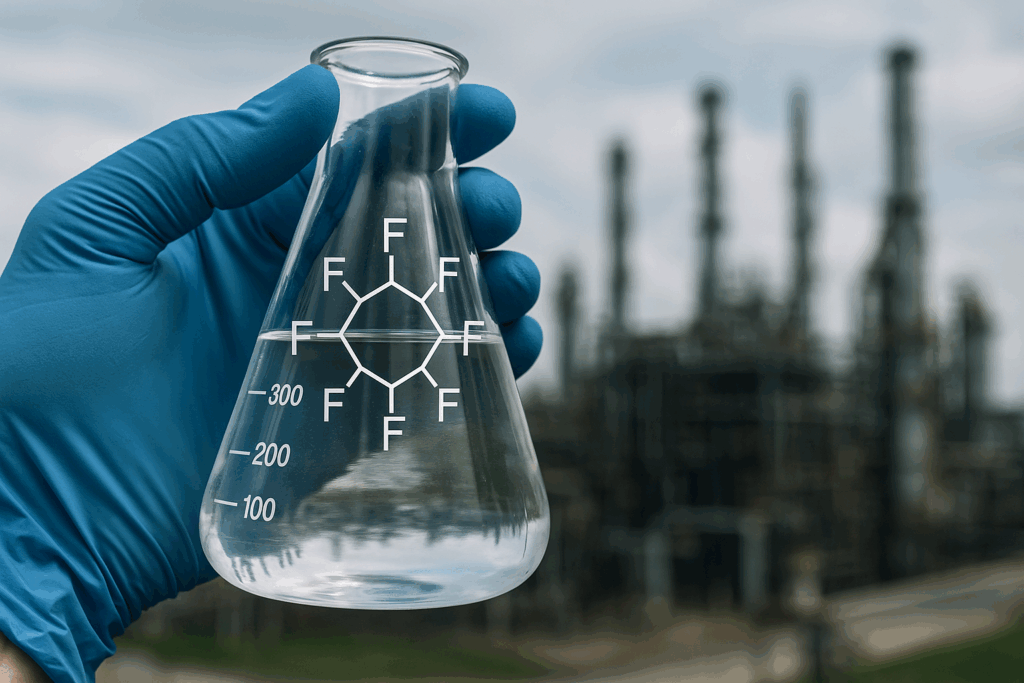
Numerous analyses have revealed the presence of PFAS in tap water across several regions of Belgium and France. Even when concentrations remain low, drinking water quality is becoming a central concern for consumers.
They are increasingly looking for domestic anti-PFAS filtration solutions that improve their everyday safety. This shift in expectations creates a real opportunity for professionals able to offer a drinking water treatment system that removes chemical contaminants, including PFAS.
Which filtration technologies are suited to PFAS treatment?
Traditional water treatment methods – water softeners, UV sterilisation, mechanical filters – are not designed to trap these compounds. Two technologies, however, prove particularly effective.
Reverse osmosis: a reliable answer to the PFAS challenge

Increasingly used in homes and businesses, reverse osmosis is a benchmark solution for purifying PFAS-contaminated water. Thanks to its semi-permeable membranes, it retains up to 99% of these chemical compounds while also filtering other pollutants such as nitrates and heavy metals.
Suitable for under-sink installation for private users as well as more complex systems for collective buildings, it efficiently meets the growing demand for water treatment, particularly in the healthcare and food sectors.
Ion-exchange resins and solutions for industry
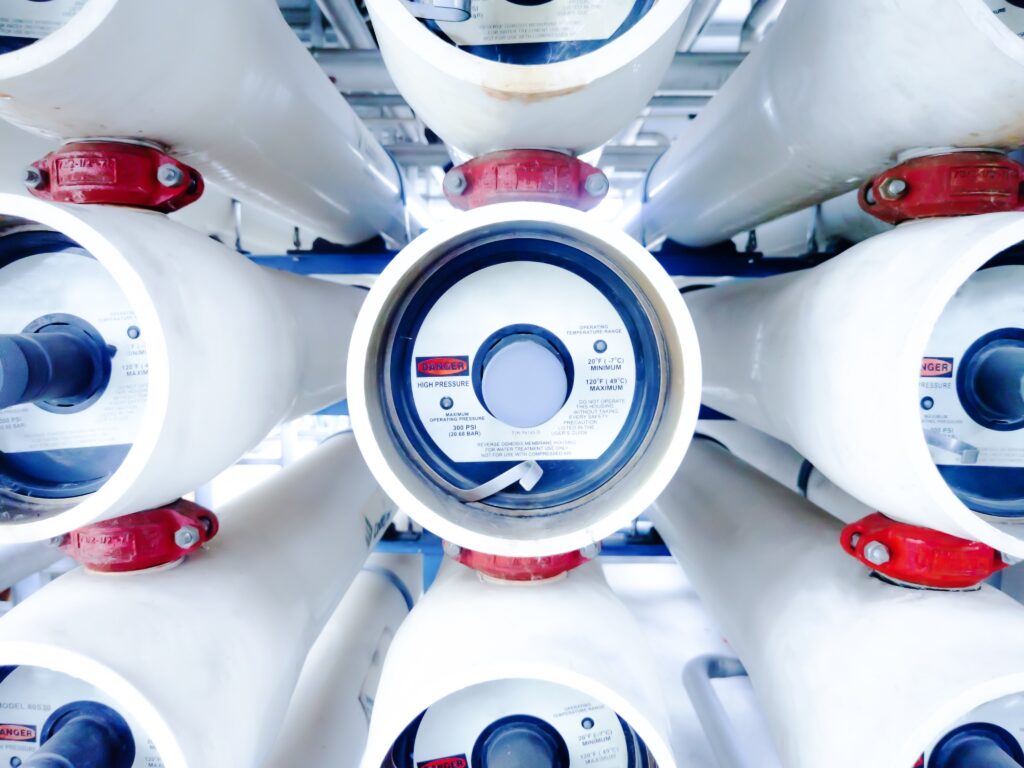
In industrial environments – pharmaceutical, cosmetics or agri-food sectors – treating water that contains PFAS often requires more advanced technologies. Specific ion-exchange resins can complement existing installations by targeting certain types of PFAS, with a high level of customisation.
These solutions are particularly relevant for treating contaminated industrial process water, where purity requirements are very high.
Why water treatment professionals need to be equipped
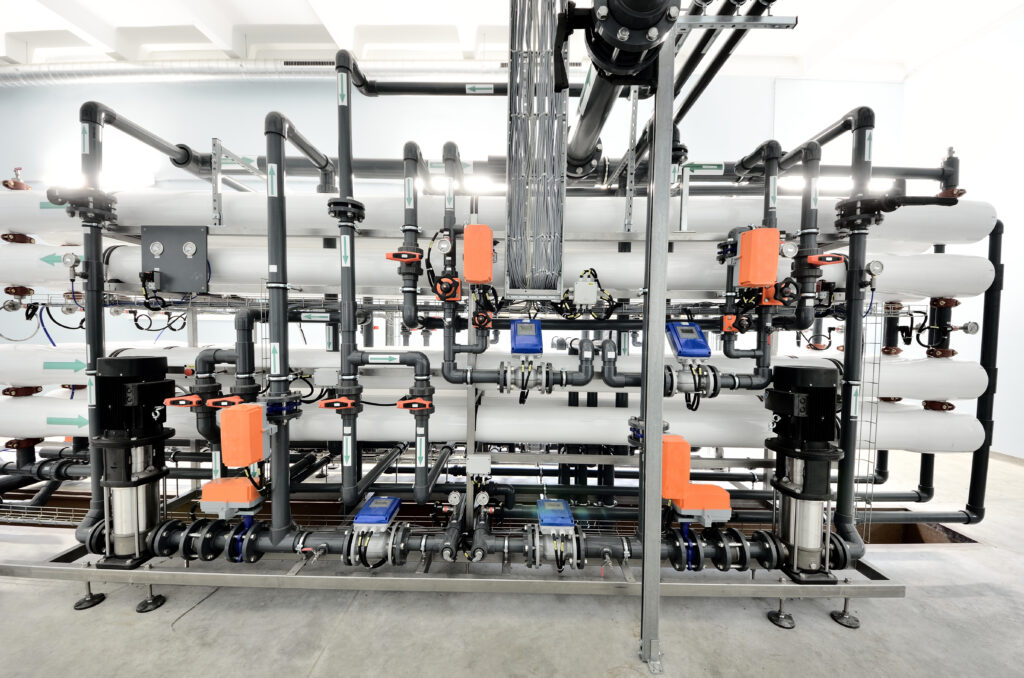
Faced with rising concern over drinking water pollution by PFAS, installers and resellers of water treatment solutions have every interest in expanding their offer with products able to address these new challenges.
Offering high-performance filters capable of capturing fluorinated compounds, being able to propose a complete domestic or industrial filtration solution, and supporting clients in improving water quality are now genuine competitive advantages.
DIMM support for anti-PFAS solutions
As a specialist in drinking water treatment for professionals, DIMM offers a complete range of solutions tailored to PFAS-related challenges:
- Domestic reverse osmosis units – for point-of-use water filtration
- Centralised treatment systems – for buildings, public facilities and local authorities
- Industrial water treatment equipment – for processes contaminated with PFAS
- Technical support and tailor-made sizing
Backed by proven expertise and certified equipment, DIMM helps professionals integrate PFAS-specific filtration into their service offer, with full technical support and documentation.
Conclusion
Perfluoroalkyl substances in drinking water are now a topical issue for consumers, local authorities and industry alike. Integrating solutions that reduce their presence in water is a concrete way to meet new expectations for water treatment that respects health and the environment.
For more information or to discuss your anti-PFAS water treatment projects, do not hesitate to contact the DIMM experts.
Contact us for a PFAS assessment
> Learn more: professional reverse osmosis, the advanced filtration solution